

Blog

Three people stand in a modern living space, discussing papers while looking at each other.
March 24, 2026
Previous animal activity can leave behind structural damage, entry points, and conditions that increase the likelihood of recurring issues after purchase.

Chef in white uniform and hat using a tablet, checking inventory in a pantry.
February 13, 2026
Consistent food availability, lingering odors, and limited disturbance make storage areas appealing targets for animal intrusion and repeated access.

A path through four seasons: snowy winter, golden autumn, bare trees, and lush green spring.
January 15, 2026
Inspection timing reduces nesting success.

Miniature houses with upward-pointing red arrows, suggesting rising property values.
December 22, 2025
Damage history influences appraisal and buyer confidence.

Large gray generator outside a building with light blue and gray metal siding, under a blue sky.
November 21, 2025
Generator enclosures and control panels are often damaged by rodents and birds.

Row of modern townhouses with brown siding, a sidewalk, and green lawns on a sunny day.
October 22, 2025
Shared attics, walls, and basements allow infestations to spread rapidly.

Woman leans back in chair, eyes closed, appearing relaxed in a home office setting with a bookshelf.
September 20, 2025
Removing pests prevents dander, droppings, and mold from entering living spaces through vents.
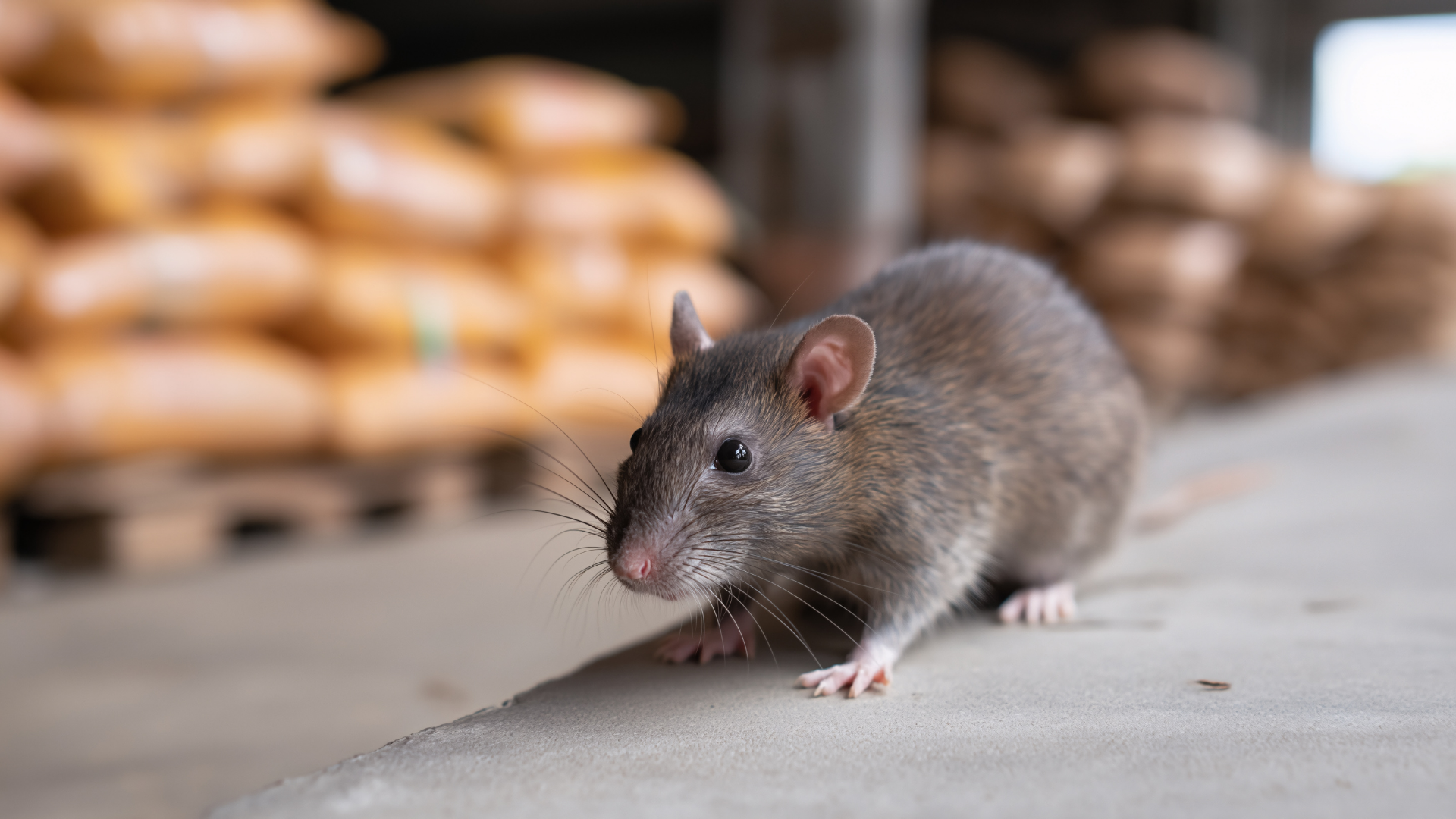
Rat in a warehouse setting, looking forward, with sacks of goods in the background.
August 20, 2025
Each type of property faces unique entry points, attractants, and liabilities when animals intrude.
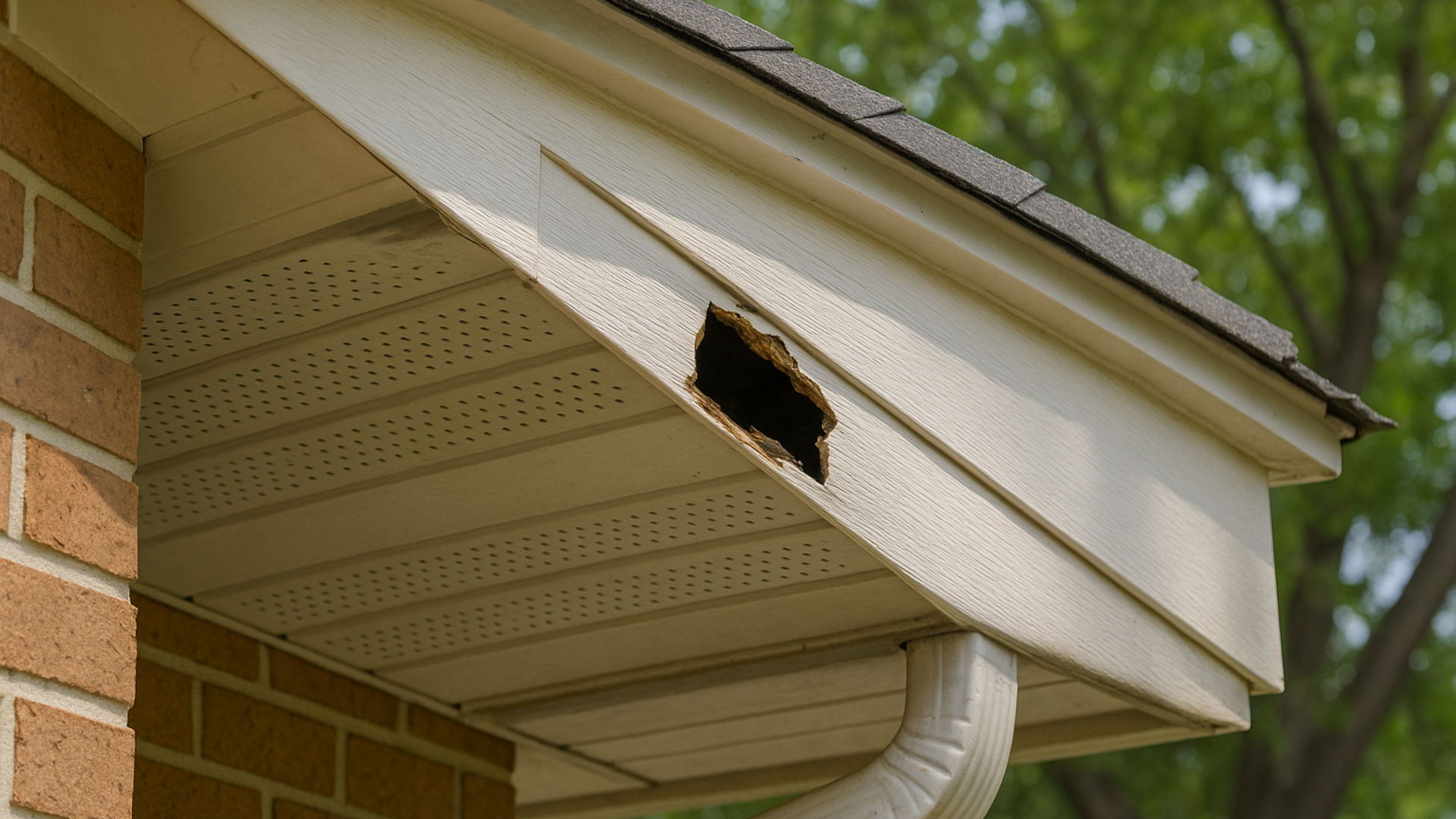
There is a hole in the roof of a house.
July 31, 2025
Failing to address attractants, entry points, or nesting sites often results in repeat visits.
A rat is standing on the ground in front of a pile of sausages.
June 21, 2025
Ongoing intrusion can weaken roofing, insulation, plumbing, and even foundations over time.

More Posts